
Logistique E-commerce : Le Guide pour une Expérience Client Parfaite
Guide complet logistique e-commerce : gestion stocks, expédition, retours, 3PL. Optimisez délais et coûts pour satisfaction client maximale.
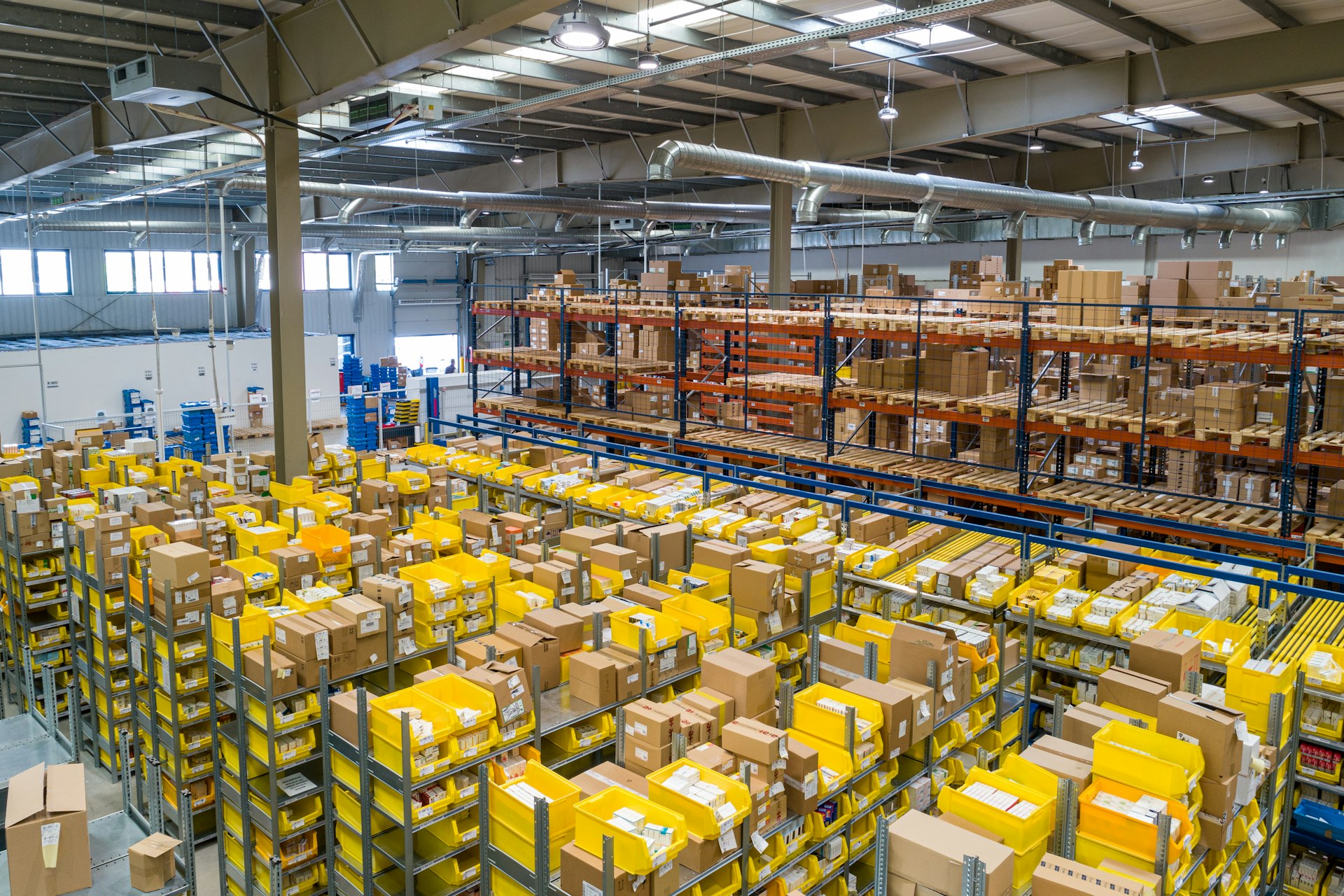
Logistique E-commerce : Le Guide pour une Expérience Client Parfaite
La logistique e-commerce en 2025 est le facteur #1 de satisfaction client. Livraison rapide, suivi transparent, retours faciles = fidélité. Une mauvaise logistique? Perte de clients garantie. Ce guide complet vous montre comment construire une chaîne logistique performante.
Partie 1 : Fondamentaux Logistique E-commerce

1.1 Pourquoi la Logistique est Cruciale
Les Attentes Clients 2025 :
- 67% abandonnent panier si livraison > 5 jours
- 88% vérifient délais avant achat
- 92% rachètent si retours faciles
- 74% paient plus pour livraison rapide
Impact Business :
- Logistique optimisée = +25% conversion
- Retours simplifiés = +30% fidélité
- Livraison rapide = +40% NPS
- Coûts maîtrisés = +15-20% marge
1.2 Les Piliers de la Logistique E-commerce
1. Gestion des Stocks
- Prévisions demand
- Stock availability
- Rotation optimale
- Dead stock minimization
2. Fulfillment (Préparation)
- Picking efficiency
- Packing quality
- Shipping speed
- Error reduction
3. Livraison
- Options variées
- Délais respectés
- Suivi transparent
- Flexibilité
4. Retours
- Process simple
- Remboursement rapide
- Récupération produit
- Data exploitation
Partie 2 : Gestion des Stocks

2.1 Prévisions de Demande
Méthodes :
Historical Data Analysis
- Ventes passées par période
- Saisonnalité patterns
- Tendances croissance
- Promotions impact
Tools :
- Excel/Sheets : Petites boutiques
- Inventory management software : Cin7, TradeGecko
- AI forecasting : Predikt.ai
Best Practice :
- Analyser minimum 12 mois historique
- Ajuster pour événements exceptionnels
- Re-forecast monthly
- Buffer stock pour incertitude
2.2 Stock Availability & Rotation
ABC Analysis :
- A Products (20% SKU, 80% revenue) : Stock élevé, monitoring serré
- B Products (30% SKU, 15% revenue) : Stock modéré
- C Products (50% SKU, 5% revenue) : Stock minimal, consider dropshipping
Rotation Optimization :
- FIFO (First In, First Out) : Produits périssables
- LIFO (Last In, First Out) : Produits non-périssables
- FEFO (First Expired, First Out) : Dates expiration
KPIs à Tracker :
- Stock turnover ratio : Sales / Average inventory
- Target : 5-10x/an (varie selon industrie)
- Days of inventory : (Inventory / COGS) x 365
- Target : <60 jours
- Out-of-stock rate : % temps produit indisponible
- Target : <5%
2.3 Dead Stock Management
Identification :
- No sales in 90+ days
- Obsolète (version newer exists)
- Seasonal past-date
- Damaged/defective
Actions :
- Discounts : 20-50% off
- Bundles : Combine avec bestsellers
- Donation : Tax deduction
- Liquidation : Platforms like Liquidation.com
Partie 3 : Fulfillment Strategies
3.1 In-House vs. Outsourced
In-House Fulfillment
Pros :
- Full control quality
- Branding customization
- Direct customer interaction
- Lower per-unit cost (at scale)
Cons :
- High upfront investment
- Staff management
- Space requirements
- Complexity scaling
Best For :
- <100 orders/day initially
- Unique packaging needs
- Custom products
- High margins
Outsourced (3PL - Third-Party Logistics)
Pros :
- Scalability instant
- Lower fixed costs
- Expertise & technology
- Multi-location distribution
Cons :
- Less control
- Per-unit fees
- Integration complexity
- Potential quality issues
Best For :
-
100 orders/day
- Rapid growth
- Standard products
- Multiple markets
Top 3PL Providers 2025 :
- ShipBob : Best pour e-commerce SMB
- Flexport : Best international
- Amazon FBA : Best si vous vendez sur Amazon
3.2 Fulfillment Process Optimization
Picking Strategies :
1. Piece Picking (Simple)
- One order at a time
- Best : <20 orders/day
- Accuracy : High
- Speed : Low
2. Batch Picking (Efficient)
- Multiple orders, one SKU at a time
- Best : 20-100 orders/day
- Accuracy : Medium
- Speed : Medium
3. Zone Picking (Scalable)
- Warehouse divided in zones
- Each picker handles one zone
- Best : 100+ orders/day
- Accuracy : High
- Speed : High
Packing Best Practices :
- Right-size packaging : Reduce waste, shipping cost
- Branded unboxing : Memorable experience
- Protective materials : Minimize damage
- Inserts : Thank you cards, discount codes
- Sustainability : Eco-friendly materials
Partie 4 : Livraison & Shipping

4.1 Shipping Options Strategy
Standard Shipping (3-7 jours)
- Free threshold : €50-70
- Cost : €3-5
- Usage : 60-70% orders
Express Shipping (1-3 jours)
- Cost : €8-12
- Usage : 20-30% orders
- For : Urgent needs, gifts
Same-Day/Next-Day
- Cost : €15-25
- Usage : 5-10% orders
- For : Premium customers, local
Click & Collect
- Free
- Convenience : Pick-up points
- Usage : Growing (10-15%)
4.2 Carrier Selection
Criteria :
- Coverage zones
- Pricing structure
- Delivery speed
- Tracking capability
- Customer service
- Returns handling
Top Carriers France 2025 :
- Colissimo : National leader, reliable
- Chronopost : Express, premium
- Mondial Relay : Pick-up points, économique
- UPS/DHL : International
- Amazon Logistics : Si FBA
Multi-Carrier Strategy :
- Use 2-3 carriers
- Optimize per zone/weight
- Backup si issues
- Négociate volume discounts
4.3 Shipping Cost Management
Strategies :
1. Free Shipping Threshold
- Calculate AOV (Average Order Value)
- Set threshold at AOV + 20-30%
- Example : AOV = €50 → Free at €65
- Result : +15-25% AOV
2. Flat-Rate Shipping
- Simplicity : Same price all orders
- Psychology : Easier decision
- Risk : Heavy items loss
3. Real-Time Carrier Rates
- Accuracy : Exact cost passed
- Transparency : Customer sees why
- Tool : Shipping calculators (Shopify, WooCommerce)
4. Negotiated Rates
- Volume discounts : 10-30% off
- Minimum : 500-1,000 packages/mois
- Leverage : Multiple quotes
Partie 5 : Suivi & Communication
5.1 Order Tracking
Best Practices :
- Confirmation email : Immediately after order
- Shipping notification : With tracking link
- In-transit updates : 1-2 updates
- Delivery confirmation : Upon reception
Tools :
- AfterShip : Multi-carrier tracking
- Parcel Panel : Shopify app
- TrackingMore : Custom tracking pages
Benefits :
- Reduce "Where is my order?" tickets (-40%)
- Build anticipation
- Upsell opportunities (tracking page ads)
5.2 Proactive Communication
Scenarios :
Delay anticipé
- Email : 1-2 jours avant expected delay
- Offer : Discount code (10%) on next order
- Result : Frustration reduced
Out of stock
- Immediate notification
- Options : Wait ou refund
- Suggest alternatives
Delivery issue
- Contact proactive if tracking shows problem
- Solution : Reship ou refund
- Apologize sincerely
Partie 6 : Gestion des Retours
6.1 Return Policy Design
Elements Clés :
- Timeframe : 30 jours minimum (60-90 = competitive advantage)
- Condition : Unworn, tags attached
- Shipping cost : Free returns = +25% conversion
- Refund method : Original payment ou store credit
- Refund timing : Within 5-7 jours
Examples :
- Zappos : 365 jours, free returns → Leader loyalty
- Amazon : 30 jours, easy process → Standard
- Everlane : 30 jours, transparent → Brand-aligned
6.2 Return Process Optimization
Steps :
- Request : Online portal, auto-approved
- Label : Pre-paid return label email
- Ship back : Customer drops off
- Receive : Scan, inspect
- Process : Refund ou exchange
- Notify : Confirmation email
Tools :
- Loop Returns : Shopify
- Returnly : Multi-platform
- Happy Returns : Drop-off locations
Metrics :
- Return rate : Target <10% (varies by category)
- Process time : Receipt to refund <7 days
- Restocking rate : % returned items resalable
6.3 Reduce Return Rate
Tactics :
Better Product Info
- Detailed descriptions
- Accurate sizing charts
- High-quality photos (multiple angles)
- Customer reviews with photos
- Result : -15-25% returns
Virtual Try-On
- AR technology
- Fit prediction tools
- Result : -20-30% returns (fashion)
Quality Control
- Pre-ship inspection
- Packaging care
- Result : -10-15% damage returns
Partie 7 : International Logistics
7.1 Cross-Border Considerations
Challenges :
- Customs & duties
- Longer delivery times
- Higher shipping costs
- Returns complexity
Solutions :
DDP (Delivered Duty Paid)
- You pay duties upfront
- Customer pays final price
- No surprises = Better UX
DDU (Delivered Duty Unpaid)
- Customer pays duties
- Cheaper for you
- Risk : Refusal at customs
Recommendations :
- DDP for EU, UK, US (main markets)
- DDU for test markets
- Clearly communicate who pays
7.2 International Fulfillment
Options :
1. Ship from Home Country
- Pros : Simple, low setup
- Cons : Slow, high cost
- Best : <100 international orders/mois
2. Local Warehouses
- Pros : Fast delivery, lower shipping
- Cons : Inventory complexity, higher fixed cost
- Best : >500 orders/mois per country
3. Global 3PL
- Pros : Expertise, multi-location
- Cons : Cost, control
- Best : Rapid international expansion
Providers :
- Flexport : Full-service
- ShipBob : EU & US locations
- Amazon FBA : Multi-country program
Partie 8 : Tech Stack Logistique
8.1 Essential Tools
Inventory Management :
- Cin7 : Multi-channel sync
- TradeGecko (QuickBooks Commerce) : B2B focus
- Katana : Manufacturing + inventory
Shipping Software :
- ShipStation : Multi-carrier, automation
- Easyship : International focus
- Shippo : Developer-friendly
Returns Management :
- Loop Returns
- Returnly
- Happy Returns
Analytics :
- Google Analytics : Traffic to delivery
- Glew.io : E-commerce analytics
- Daasity : Advanced BI
8.2 Automation Opportunities
Order Processing :
- Auto-assign to fulfillment center
- Auto-select carrier (by zone/weight)
- Auto-generate packing slips
Inventory :
- Auto-reorder at threshold
- Auto-stock allocation (multi-warehouse)
- Low-stock alerts
Customer Communication :
- Auto-emails (confirmation, shipping, delivery)
- Chatbot for tracking inquiries
- SMS notifications
Result : -60% manual work, -40% errors
Conclusion
La logistique e-commerce en 2025 est un competitive advantage majeur. Les winners combinent fulfillment rapide, communication proactive, et retours sans friction. Investir dans logistique = investir dans customer satisfaction.
Le Success Formula : Stocks Optimisés + Fulfillment Rapide + Livraison Fiable + Retours Faciles = Clients Fidèles
Action Immédiate :
- Audit logistique actuel : Délais, coûts, satisfaction
- Implement tracking transparent cette semaine
- Optimize return policy ce mois
- Evaluate 3PL si >100 orders/day
La logistique n'est pas sexy, mais elle's profitable. Optimize it, scale it, win with it. 🛒